
As dogs age, it is inevitable that they will develop some age-related health issues. The rate of aging depends on a dog’s size; small breeds typically enter their senior years around age 10, while giant breeds may show signs of aging as early as age 7. Growing older brings hidden pains and silent illnesses that can quietly rob them of their joy.
Caring for a senior dog requires proactive health monitoring, weight management, and environmental adjustments. Key areas of focus include joint health, oral hygiene, cognitive function, heart care, and metabolic balance to ensure their golden years are comfortable and pain-free.

It is truly difficult to watch them grow old, but you have the power to make this stage of their life wonderful. Follow along as I detail the five critical health issues that every senior dog owner must pay attention to.
How Can You Protect Your Dog from Osteoarthritis and Joint Pain?
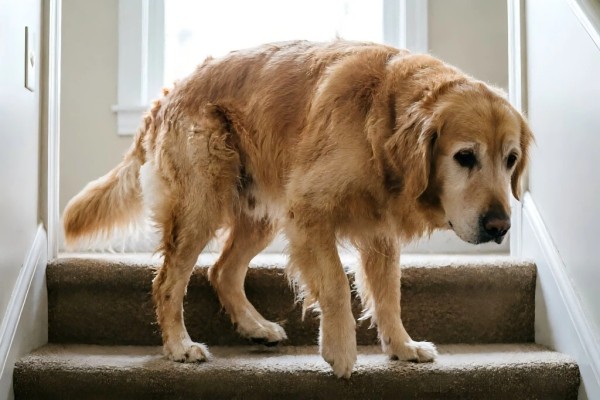
Is your dog having trouble getting up, or hesitating at the stairs? Joint pain turns every movement into a mountain to climb. Without intervention, your dog may eventually lose the ability to walk entirely.
The key to controlling canine osteoarthritis lies in strict weight management and high-quality nutritional supplements like glucosamine and chondroitin. Early detection of limping or stiffness allows for non-steroidal treatments that protect the joints while avoiding damage to the liver and kidneys.
Understanding the Truth About Joint Degeneration
Dogs are incredibly resilient creatures; they often hide their pain until it becomes unbearable. When a dog begins to show hind limb weakness, lameness, constant licking of the joints, or a reluctance to climb stairs or get out of bed, the condition is already quite serious. At this stage, medical intervention is often lagging behind. One in five dogs over the age of one will develop osteoarthritis (OA). In senior dogs, this incidence rate soars to 80%. OA is a degenerative disease that worsens over time, eventually leading to disability in 53% of affected dogs.
Current treatments typically include physical therapy, weight loss, and supportive care. Veterinarians frequently use glucocorticoids and non-steroidal anti-inflammatory drugs (NSAIDs). While these methods can reduce pain, they cannot cure the disease. Furthermore, these medications have significant side effects on the gastrointestinal tract, liver, kidneys, and cardiovascular system of small animals. For OA, prevention is always better than a cure. Ingredients such as L-carnitine, long-chain Omega-3 fatty acids, chondroitin sulfate, glucosamine, and green-lipped mussel extract have shown positive effects on joint repair and symptom management.
| Management Strategy | Action Plan | Core Benefits |
|---|---|---|
| Weight Management | Reduce calorie intake by 20% | Reduces mechanical stress on joints |
| Nutritional Support | Feed joint supplements and green-lipped mussel | Provides natural anti-inflammatory properties |
| Home Modifications | Add non-slip mats and ramps | Prevents acute injuries from slips or jumps |
| Physical Therapy | Controlled swimming or slow walks | Maintains muscle mass to support bones |
I personally do not recommend that pet owners buy many different single-ingredient supplements. It is difficult to avoid the side effects caused by an overdose of certain ingredients. When choosing joint care products, try to opt for compound supplements. These products contain multiple effective ingredients in one go. This saves the owner money and spares the dog unnecessary suffering.
Why Is Dental Health Crucial for Senior Dogs?
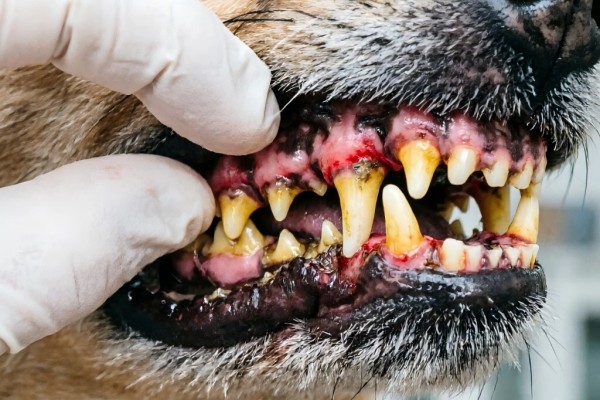
Does your dog have unbearable "old dog breath" or red, bleeding gums? Oral disease is a silent killer because it can send bacteria directly into the bloodstream. This can lead to permanent damage to the heart and kidneys.
Preventing oral disease in senior dogs includes daily brushing, using water additives, and scheduling regular professional cleanings. Closely monitoring your dog for symptoms like loose teeth, difficulty eating, or pawing at the mouth can help prevent systemic infections that shorten a dog’s lifespan.
The Connection Between the Mouth and Major Organs
Many owners believe that bad breath is just a normal part of aging. This is a dangerous misconception. A foul odor usually indicates decaying tissue or a deep infection. Senior dogs have weakened immune systems. When bacteria from a gum infection enter the bloodstream, they can colonize the heart valves. They also attack the filtration system of the kidneys. This makes oral care a matter of life and death, not just a matter of hygiene.
We must take dental issues seriously before they spread. If your dog stops eating dry kibble and only wants soft food, do not simply assume they are being picky. Their mouth is likely in pain. Soft food actually sticks to teeth more easily, making the problem worse. While dental chews or specific toys can help, they cannot replace manual brushing. You must be proactive to protect their heart and kidney health.
| Oral Problem | Visual Symptoms | Long-term Risks |
|---|---|---|
| Gingivitis | Red and swollen gums | Progression to bone loss |
| Periodontitis | Loose teeth, receding gums | Heart and kidney failure |
| Broken Teeth | Exposed pulp, refusal to chew | Abscesses and severe pain |
Regular inspection is your best defense. Check your dog’s gums once a week. If you see red lines or bleeding, consult your veterinarian. While professional cleaning under anesthesia might seem scary for an old dog, the risk of a constant blood infection is much greater.
What Are the Signs of Canine Cognitive Dysfunction?
Does your dog stare blankly at walls or get stuck in corners at night? Canine Cognitive Dysfunction Syndrome (CDS) is similar to Alzheimer’s disease in humans. It steals their memory and changes the way they behave.
Canine Cognitive Dysfunction (CDS) leads to a decline in memory, learning, and sensory abilities. One study found that 75% of dogs over age 7 show at least one sign of cognitive impairment. Management involves maintaining a regular routine, providing mental stimulation, and using specific medications under veterinary guidance.

How to Manage the Mental Health of Senior Dogs
Many studies have shown that enriching a dog’s daily life is highly beneficial. You can provide new stimulation to the brain through training, games, and exercise. This helps them maintain their cognitive abilities. Even if you are busy with work, please set aside time to interact with your dog. Adequate nutrition also plays a role in brain health. You should feed a complete diet that meets official standards like AAFCO. For dogs already suffering from CDS, there are now registered medications available. Please ensure these are used only under the guidance of a professional veterinarian.
Brain health is about more than just toys; diet plays a huge role as well. Some research suggests that antioxidants and medium-chain triglycerides (MCTs) can provide an alternative energy source for the brain. This can help clear some of the "brain fog" senior dogs experience. You should also keep the home environment stable. Moving furniture can confuse a dog with CDS and lead to significant stress.
| Symptom Category | Common Behaviors | Management Advice |
|---|---|---|
| Disorientation | Getting stuck behind doors, staring blankly | Gently guide them back to their bed |
| Interaction Changes | Reduced interest in petting or play | Provide gentle affection on their own terms |
| Sleep Cycle | Pacing at night, sleeping during the day | Increase exposure to morning sunlight |
| Inappropriate Soiling | Accidents in the house | Use belly bands or increase potty breaks |
Think of their brain like a muscle. If it isn’t used, it will atrophy. Simple games, such as hiding treats around the room, can make a huge difference. It keeps them engaged with their world.
How to Manage Cardiopulmonary Disease in Senior Dogs?
Does your dog cough after a walk, or pant heavily even when it’s cool? Heart disease often begins with a faint murmur that you might not be able to hear. By the time they have difficulty breathing, the heart damage is already quite serious.
Congestive Heart Failure (CHF) is a common valvular disease in older dogs. The degeneration of valve structures leads to blood backflow and heart enlargement. If your dog’s resting breathing rate exceeds 25 breaths per minute, a check-up is recommended. Annual exams are vital for early detection.

A Guide to Senior Dog Heart Care
Heart issues are very common in small breeds like Chihuahuas, but large breeds often face different issues with the heart walls. The most difficult part is that heart symptoms can look like simple "fatigue." If your dog suddenly stops during your daily walk, do not pull on the leash. Their heart may be struggling to pump oxygen to their muscles. You must be the one to control the pace and keep movements slow.
Salt intake is another major danger. Many commercial treats contain high amounts of sodium to improve taste. For a dog with a weak heart, salt causes fluid retention. This fluid eventually enters the lungs, which is why heart patients cough. It is essentially like they are "drowning" from the inside. Maintaining a low-salt diet is one of the kindest things you can do.
| Symptom | Meaning | Immediate Action |
|---|---|---|
| Nighttime Cough | Possible fluid in the lungs | Visit a vet for a chest X-ray |
| Exercise Intolerance | Heart cannot meet oxygen demands | Immediately shorten all walks |
| Extreme Panting | Over-stressed or low oxygen | Ensure a cool, quiet environment |
| Abdominal Swelling | Possible fluid buildup (ascites) | Seek emergency medical attention |
A useful tip for every owner is to calculate the Sleeping Respiratory Rate (SRR). When your dog is fast asleep, count their breaths for one minute. If it consistently exceeds 30 breaths per minute, contact your vet. This is one of the most accurate ways to monitor heart health at home.
What Are the Dangers of Diabetes in Older Dogs?
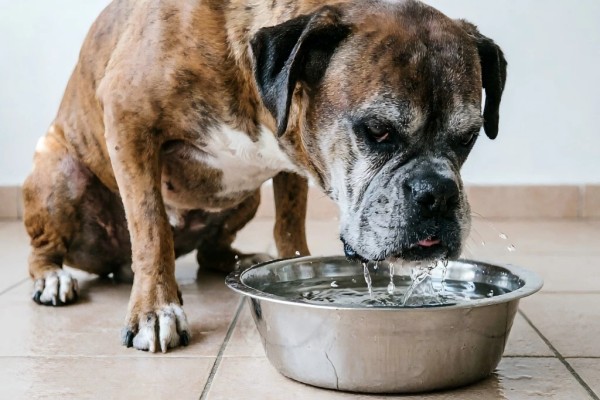
Is your dog drinking significantly more water but still losing weight? Diabetes can develop quickly, especially in overweight senior dogs. If left untreated, it leads to blindness, organ failure, and a very poor quality of life.
To prevent and manage canine diabetes, prioritize a high-fiber, low-sugar diet and consistent daily exercise. Maintaining a healthy weight is the best defense. If diagnosed, they will require regular insulin injections and strict blood glucose monitoring to stay healthy.
Metabolic Balance in the Senior Dog
Diabetes in dogs is usually Type 1, meaning their body stops producing insulin entirely. Because of this, they cannot utilize the energy from their food. Even if they eat a great deal, they will lose weight. Despite a full stomach, the body is "starving." This is incredibly stressful for a senior dog’s system and leaves them feeling weak and exhausted.
We must examine our own habits as owners. Feeding an inactive old dog "human food" or sugary treats is a recipe for disaster. If your dog is already overweight, they are in a state of constant inflammation, making diabetes much more likely to occur. The good news is that diabetes is manageable if you are disciplined. You must administer insulin at the same time every day and feed the exact same amount of food.
| Risk Factor | Why It Matters | How to Fix It |
|---|---|---|
| Obesity | Causes insulin resistance | Implement strict portion control |
| Lack of Exercise | Blood sugar remains high | Take two gentle walks daily |
| High-Carb Diet | Causes blood sugar spikes | Switch to high-protein, high-fiber food |
| Spay/Neuter Status | Unspayed females are at higher risk | Discuss spaying with your veterinarian |
Consistency is the most important "medicine" for a diabetic dog. If you keep their routine stable, they can still live a happy life. Watch their water bowl; if you are refilling it more often than usual, it is time for a blood test.
Conclusion
Aging is a topic that no mammal can avoid. By facing the symptoms of aging head-on and practicing active prevention and treatment, this little life that gave you its whole world will show you that it was all worth it.



One Response
Hi, this is a comment.
To get started with moderating, editing, and deleting comments, please visit the Comments screen in the dashboard.
Commenter avatars come from Gravatar.