
Your aging dog’s heavy panting or midnight coughing might not just be "old age." Ignored heart symptoms often lead to sudden, painful heart failure, leaving you with guilt and expensive emergency bills.
Monitoring senior dog heart health involves watching for persistent coughing, exercise intolerance, and rapid breathing. Most older dogs suffer from degenerative valve disease. Early diagnosis, low-sodium diets, and daily medications can stabilize heart function, prevent fluid buildup, and significantly extend your dog’s quality of life.
Heart disease is scary, but it is not a death sentence. I want to help you understand what to expect and how to manage this journey with your loyal companion.
How Long Can a Senior Dog Live with Heart Disease?
Finding out your dog has a heart murmur feels like the end of the world. You worry that every nap might be their last. This uncertainty creates constant anxiety for every devoted pet parent.
A senior dog can live with heart disease for several months to many years depending on the stage of diagnosis. Dogs receiving early treatment for degenerative valve disease often maintain a high quality of life for 1 to 3 years or longer with proper medication and diet.
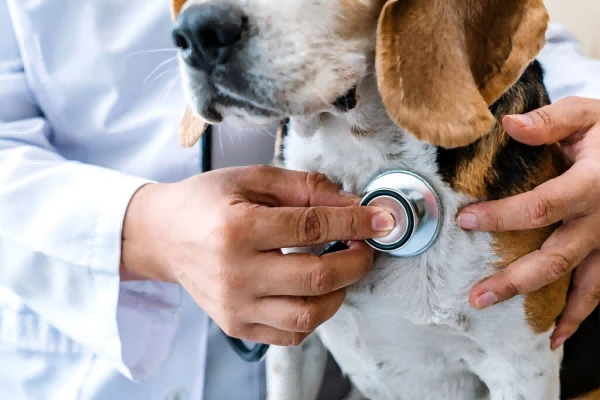
Factors Influencing Longevity in Cardiac Patients
When I look at heart disease in older dogs, I see a wide range of outcomes. The most common issue is degenerative valve disease. This happens when the valves on the left side of the heart become weak. They fail to close properly. This causes blood to leak backward. This leakage changes the pressure and volume inside the heart chambers. Over time, the heart becomes enlarged and less efficient. Longevity depends on how quickly we catch these changes. If the heart has already begun to change shape, the timeline is shorter. However, if we find a murmur before the dog shows symptoms, we can intervene early.
Medication is the most important tool we have. Drugs can help the heart pump better. They can also lower blood pressure or remove excess fluid from the body. I also strongly believe in the power of a low-sodium diet. Salt causes the body to hold onto water. In a heart patient, this water ends up in the lungs. This creates a "drowning" sensation. By cutting salt, we reduce the workload on the heart. The repair of other organs also matters. If the kidneys and liver are healthy, they can handle the medications better. This allows the dog to stay on treatment longer.
| Factors Affecting Life Span | Impact on the Dog | Management Strategy |
|---|---|---|
| Stage at Diagnosis | Early stages have fewer complications. | Schedule bi-annual vet checkups. |
| Response to Medication | Some dogs stabilize quickly on drugs. | Monitor for side effects like lethargy. |
| Dietary Sodium Levels | High salt leads to fluid retention. | Switch to specific cardiac diets. |
| Secondary Organ Health | Healthy kidneys process meds better. | Perform regular blood work panels. |
It is important to remember that every dog is different. Some small breeds live for years with a mild murmur. Large breeds often progress faster. You must stay consistent with their daily routine. Skipping even one pill can cause a setback. Your goal is to keep the heart stable for as long as possible. We are not just fighting for time. We are fighting for "good" time where they can still enjoy walks and treats.
What Are the Final Stages of Dog Life with Heart Problems?
The fear of the end often stops us from enjoying the present. You might see your dog gasping for air or collapsing. These moments are terrifying and leave you feeling completely helpless and alone.
The final stages of heart disease in dogs, often called congestive heart failure, include severe difficulty breathing, persistent coughing, fainting, and abdominal swelling. Dogs may become extremely weak, refuse to eat, and show a bluish tint in their gums due to a lack of oxygen.
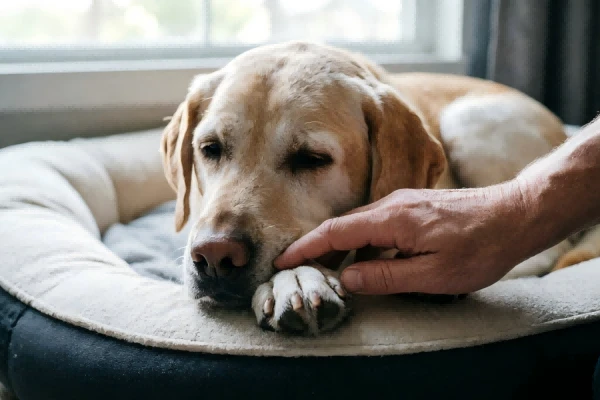
Recognizing and Managing End-Stage Symptoms
I have seen many dogs reach the final stages of heart failure. It is a difficult time for everyone. The most obvious sign is "air hunger." The dog stands with its elbows out and neck extended. They are trying to get more oxygen. This happens because the heart can no longer keep fluid out of the lungs. The cough becomes wet and constant. You might even see pink, frothy liquid. This is a medical emergency. Fainting or "syncope" is also common. This happens when the brain does not get enough oxygen during a cough or excitement.
We must also talk about "ascites." This is when fluid fills the belly. The dog looks bloated, but their limbs are thin. It makes it very hard for them to get comfortable. They might pace all night because they cannot breathe well while lying down. At this stage, our focus changes. We move from long-term health to "comfort care." We might increase the dose of diuretics. We might add oxygen therapy. However, we also have to think about their quality of life. If they can no longer sleep, eat, or recognize you, the heart is failing its most basic job.
| End-Stage Symptom | Why It Happens | Care Action |
|---|---|---|
| Restlessness at Night | Fluid moves in the lungs when lying flat. | Use a propped-up bed or extra pillows. |
| Blue or Pale Gums | Severe lack of oxygen in the blood. | Seek emergency oxygen therapy. |
| Loss of Appetite | Extreme fatigue and organ congestion. | Offer high-value, low-salt wet food. |
| Abdominal Bloating | Right-sided heart failure causes fluid buildup. | Consult vet about draining the fluid. |
Managing the end requires a lot of emotional strength. You are their advocate. You should track their "good days" and "bad days." If the bad days outnumber the good ones, it is time to have a hard conversation with your vet. Many dogs at this stage are tired. Their bodies are working so hard just to take a single breath. Our responsibility is to ensure they do not suffer. We provide a peaceful environment. We keep their favorite spots easy to reach. We give them as much love as possible.
Conclusion
Senior dog heart health requires early detection and constant care. By using medication and low-salt diets, you can give your friend many more happy months or years.