
Many dog owners want to add healthy treats to their pet’s diet but worry about which vegetables are truly safe and beneficial.
There is no single “best” vegetable for all dogs, but pumpkin, carrots, and green beans rank among the top choices. They are nutrient-rich, low in calories, easy to digest, and offer specific health benefits like better digestion, dental health, and weight management.
Adding the right vegetables can provide extra vitamins, fiber, and hydration while keeping treats low-calorie. Here’s what you need to know.
What makes a vegetable good for dogs?
Dog owners often feel confused about which human foods are safe after hearing mixed advice online.
A good vegetable for dogs should be nutrient-dense, low in calories, easy to digest, and free from toxic compounds. It should also be served plain without seasoning, oil, or harmful additives.
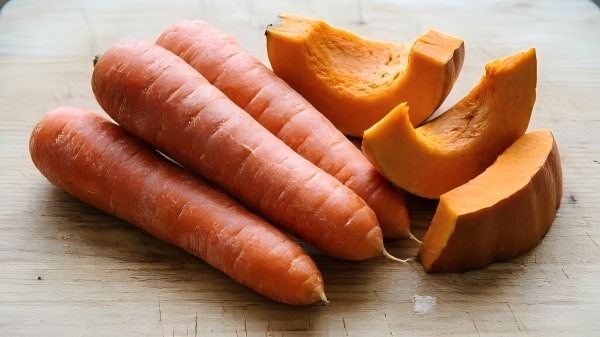
Key Factors for Choosing Dog-Friendly Vegetables
When selecting vegetables for your dog, several important factors determine their suitability and benefits. Not all vegetables are equal — some provide excellent nutrition while others may cause digestive upset or contain harmful substances.
Nutritional Value Dogs benefit from vegetables rich in vitamins (A, C, K), minerals, antioxidants, and fiber. These support immune function, digestion, eye health, and weight control. Low-calorie options are especially useful for overweight dogs.
Digestibility and Preparation Many vegetables are safer and more nutritious when lightly steamed or cooked rather than raw. Cooking can break down tough fibers and reduce the risk of stomach upset. Always wash thoroughly and cut into small, bite-sized pieces to prevent choking.
Safety Considerations Avoid vegetables from the allium family (onions, garlic) entirely, as they are toxic. Serve all vegetables plain — no butter, salt, spices, or sauces.
Here’s a comparison of popular dog-safe vegetables:
| Vegetable | Main Benefits | Best Served | Calories (per 100g) | Notes |
|---|---|---|---|---|
| Pumpkin | High fiber, aids digestion & diarrhea | Cooked, plain | 26 | Excellent for gut health |
| Carrots | Beta-carotene, dental health | Raw or cooked | 41 | Natural chew treat |
| Green Beans | Low calorie, high fiber | Raw or steamed | 31 | Great for weight loss |
| Sweet Potato | Vitamins A & C, sustained energy | Cooked only | 86 | Nutrient powerhouse |
| Broccoli | Antioxidants, vitamin C | Small amounts, cooked | 34 | Limit to avoid gas |
| Cucumber | Hydration, very low calorie | Raw | 16 | Refreshing summer treat |
Preparation Tips
- Start with small amounts to check for allergies or digestive issues.
- Vegetables should make up no more than 10% of your dog’s daily calories.
- Consult your veterinarian before making significant dietary changes, especially for dogs with health conditions like diabetes or kidney disease. (Word count: 238)
Are carrots the best vegetable for dogs?
Many owners reach for carrots because they are convenient and dogs seem to love them.
Carrots are one of the best everyday vegetables for dogs. They support dental health, provide important antioxidants, and make an excellent low-calorie treat.

Why Carrots Stand Out
Carrots offer a well-rounded nutritional profile that benefits most dogs. Their crunchy texture helps naturally clean teeth by reducing plaque buildup, while beta-carotene supports eye health and immunity.
However, while carrots are excellent, they are not necessarily superior to all others. For dogs with sensitive digestion, pumpkin may be better. For weight management, green beans often win. The “best” choice ultimately depends on your dog’s individual needs, age, and health goals.
Benefits of Carrots:
- High in fiber and low in calories
- Rich in vitamin A precursor (beta-carotene)
- Promotes healthy skin and coat
- Natural dental chew
How to Serve Carrots:
- Wash and cut into sticks or coins
- Serve raw for dental benefits or lightly steamed for easier digestion
- Can be frozen for a refreshing summer snack
Combine different vegetables to provide a broader range of nutrients rather than relying on just one type. (Word count: 218)
Is pumpkin good for dogs?
Dog owners dealing with digestive issues often hear pumpkin recommended by veterinarians.
Yes, plain pumpkin is one of the best vegetables for dogs, especially for digestive support. It helps with both diarrhea and constipation due to its high soluble fiber content.

Benefits and Proper Usage of Pumpkin
Pumpkin is highly recommended by veterinarians for its gentle effect on the digestive system. It acts as a natural prebiotic and helps regulate bowel movements without causing irritation.
Key Advantages:
- Excellent source of fiber
- Rich in vitamins A, C, and E
- Supports healthy weight
- Soothes stomach upset
Important Guidelines:
- Use only plain canned pumpkin or freshly cooked pumpkin (never pie filling)
- Start with 1-2 teaspoons for small dogs, up to 1-2 tablespoons for large dogs
- Mix into regular meals or serve as a treat
Pumpkin pairs well with other vegetables and can be a regular addition to your dog’s diet when used appropriately.
Conclusion
The best vegetables for dogs — such as pumpkin, carrots, and green beans — offer valuable nutrition when added properly. Focus on variety, moderation, and plain preparation to safely enhance your dog’s diet. Always consult your vet for personalized advice.