Why Is My Senior Dog Sleeping So Much?
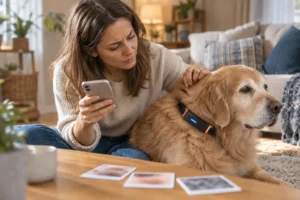
My 15-year-old dog Kevin sleeps much more now than he did a few years ago. Many owners see the same change and wonder if it is normal aging or a sign that something is wrong.
Senior dogs often sleep 14 to 18 hours a day because aging slows the body and increases recovery time. Extra sleep is usually normal, but sudden changes in sleeping habits can sometimes point to health problems that need attention.
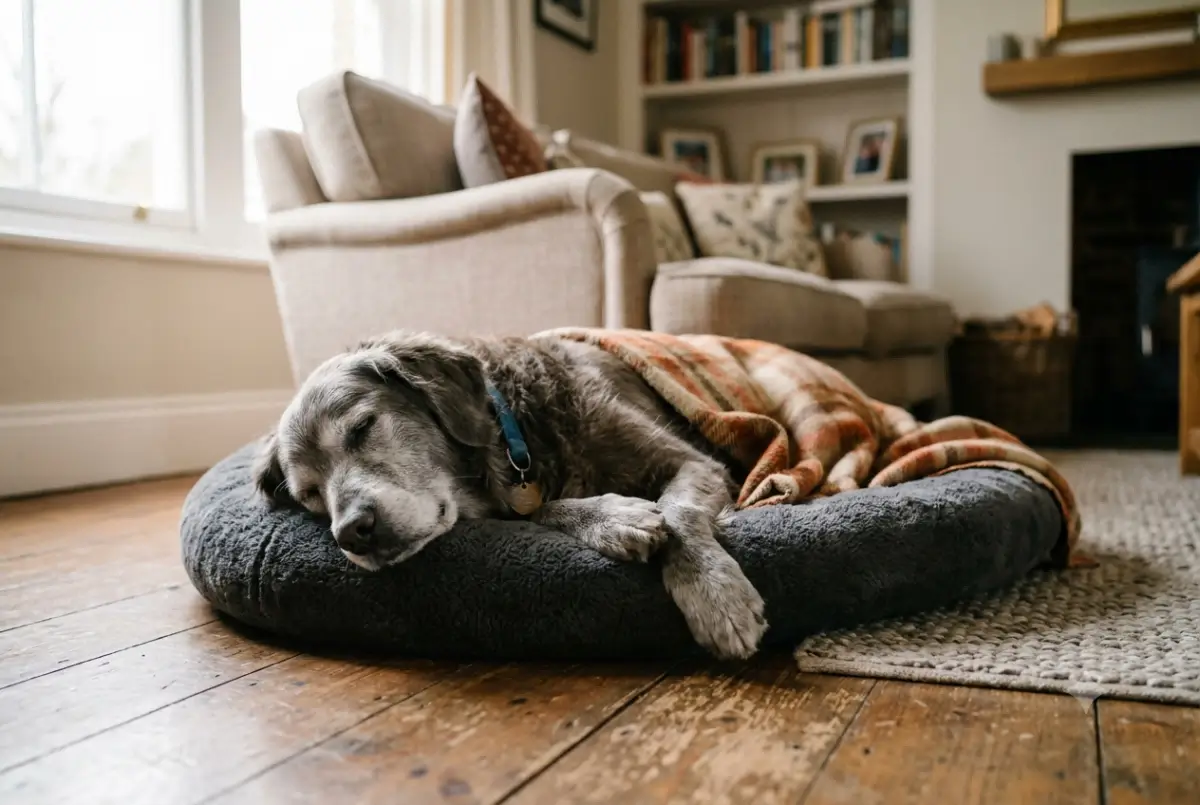
When Kevin first started sleeping longer, I worried about every nap. I watched him closely and looked for signs of illness. Over time, I learned that sleep alone does not tell the full story. The real question is whether your dog’s behavior, appetite, mobility, and energy level are changing along with that extra sleep.
How Many Hours Should A Senior Dog Sleep?
Many owners become concerned when their older dog spends most of the day resting. It can feel like your dog is sleeping through life.
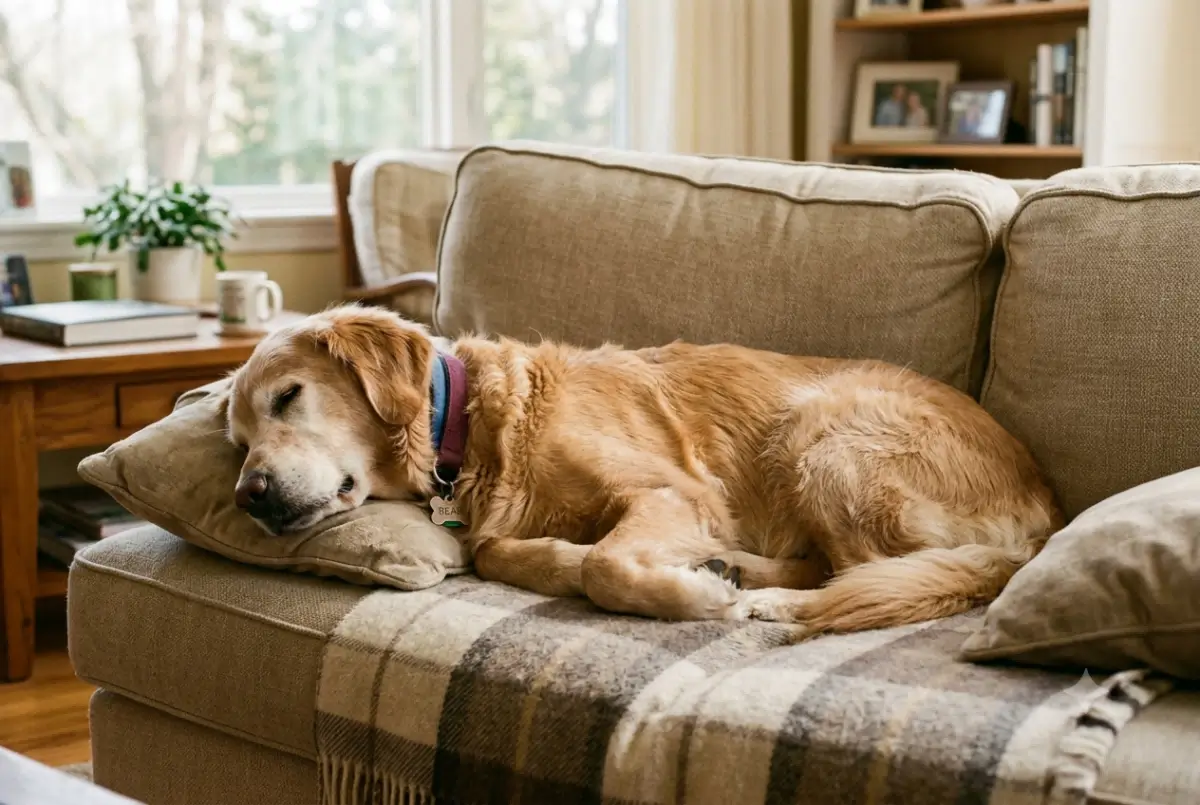
Most senior dogs sleep between 14 and 18 hours per day. The exact amount depends on age, breed, activity level, and overall health. More sleep is usually a normal part of aging.
Why Older Dogs Need More Sleep
As dogs age, their bodies work differently. Their metabolism slows down. Their muscles take longer to recover. Their joints may become stiff after activity.
A young dog can run, play, and recover quickly. A senior dog often needs more time to recharge. Sleep becomes an important part of that recovery process.
Large breeds often sleep more than small breeds because they age faster. A senior Labrador may spend much of the afternoon resting. A younger dog in the same home may still be active and playful.
What Is Considered Normal?
The number of hours is only part of the picture. A healthy senior dog should still show interest in daily activities.
Kevin sleeps a lot during the day, but he still gets excited when he hears me preparing his dinner. He still enjoys short walks and looks forward to spending time with family.
That excitement matters more than the total number of sleeping hours.
| Age Group | Average Daily Sleep |
|---|---|
| Puppy | 18–20 hours |
| Adult Dog | 12–14 hours |
| Senior Dog | 14–18 hours |
| Very Old Dog | 16–20 hours |
Many owners compare their dog to other dogs. I think it is better to compare your dog to their own routine. If your dog has always slept 16 hours a day, that may be completely normal. If your dog suddenly starts sleeping four extra hours every day, that change deserves attention.
I learned this lesson with Kevin. Some days he sleeps more than usual. Other days he follows me around the house like he did years ago. What matters is the long-term pattern. A healthy senior dog still wants food, attention, and some level of activity. They may move slower, but they should still enjoy life.
Sleep becomes a concern when it comes with other changes. A dog that sleeps more and acts normal is very different from a dog that sleeps more because they feel weak, painful, or confused. Looking at the full picture helps owners understand what is normal and what may need a closer look.
Could Excessive Sleeping Be A Sign Of A Health Problem?
Extra sleep is common in older dogs. Some medical conditions can also cause a dog to spend more time resting.
Arthritis, heart disease, cognitive decline, diabetes, and chronic pain can all increase sleeping time. Owners should watch for other symptoms that appear along with the extra sleep.
Arthritis And Pain
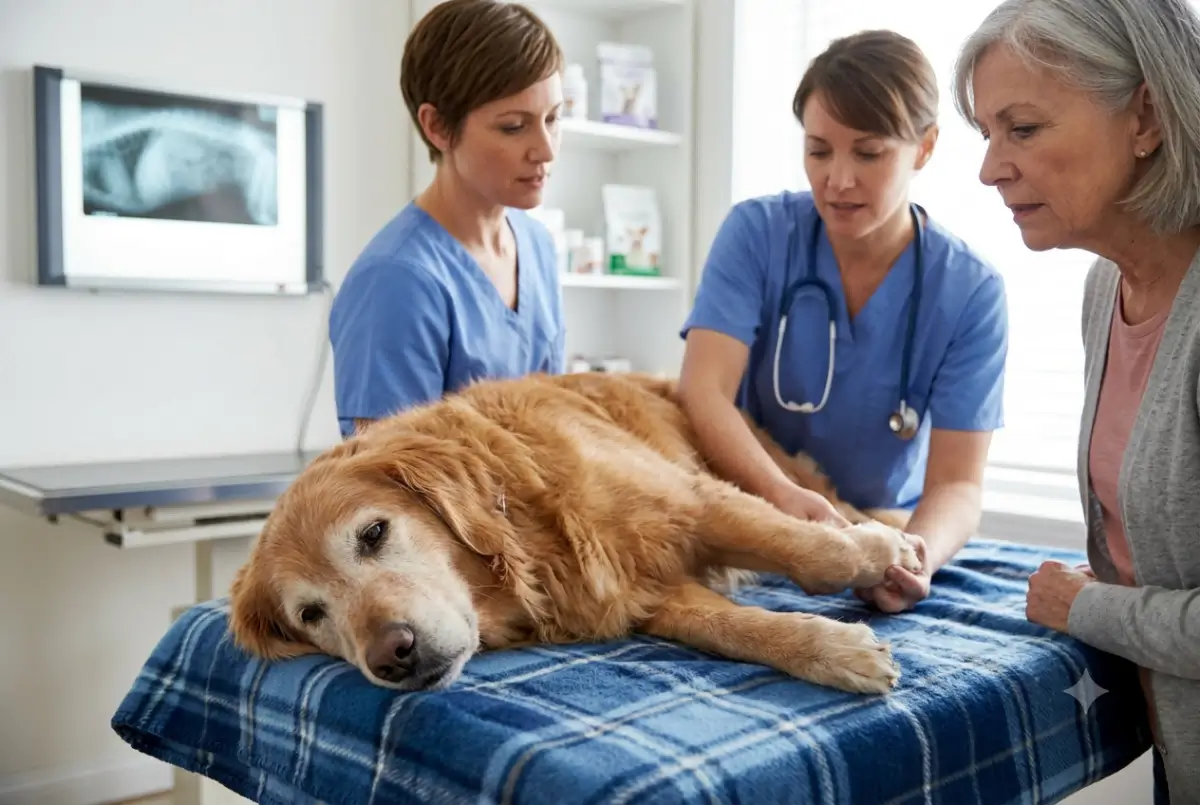
Arthritis is one of the most common problems in senior dogs. Many dogs hide pain very well.
Instead of limping or crying, they simply move less. They may choose to sleep because getting up feels uncomfortable.
Watch for signs such as:
- Difficulty standing up
- Hesitation before stairs
- Reluctance to jump
- Stiffness after rest
Heart Disease And Cognitive Decline
Heart disease can reduce energy levels. The body receives less oxygen, and simple activities become tiring.
Cognitive decline can create different changes. Some dogs become confused. Some sleep more during the day and pace around the house at night.
These changes often appear slowly. Owners may not notice them right away.
| Symptom | Possible Cause |
|---|---|
| Stiff movement | Arthritis |
| Heavy panting | Heart disease |
| Increased thirst | Diabetes |
| Weight loss | Chronic illness |
| Night pacing | Cognitive decline |
| Loss of appetite | Pain or disease |
One thing I noticed with Kevin was that health changes rarely happened overnight. They appeared little by little. A slower walk one week. A longer nap the next week. A little less interest in playing a month later.
That is why I pay attention to trends instead of single events. One sleepy day means very little. A steady decline over several months tells a different story.
Many owners assume aging is the reason for every change. Sometimes that is true. Sometimes it is not. Joint pain, heart problems, and other conditions can often be managed if they are found early. The earlier you recognize the signs, the more options you usually have.
When I see changes in Kevin, I ask myself a simple question: Is he still acting like himself? That question often provides more useful information than counting sleeping hours alone.
What I Learned After Tracking My Senior Dog’s Sleep
I used to rely on memory to judge Kevin’s health. I thought I knew his habits well enough to notice every change.
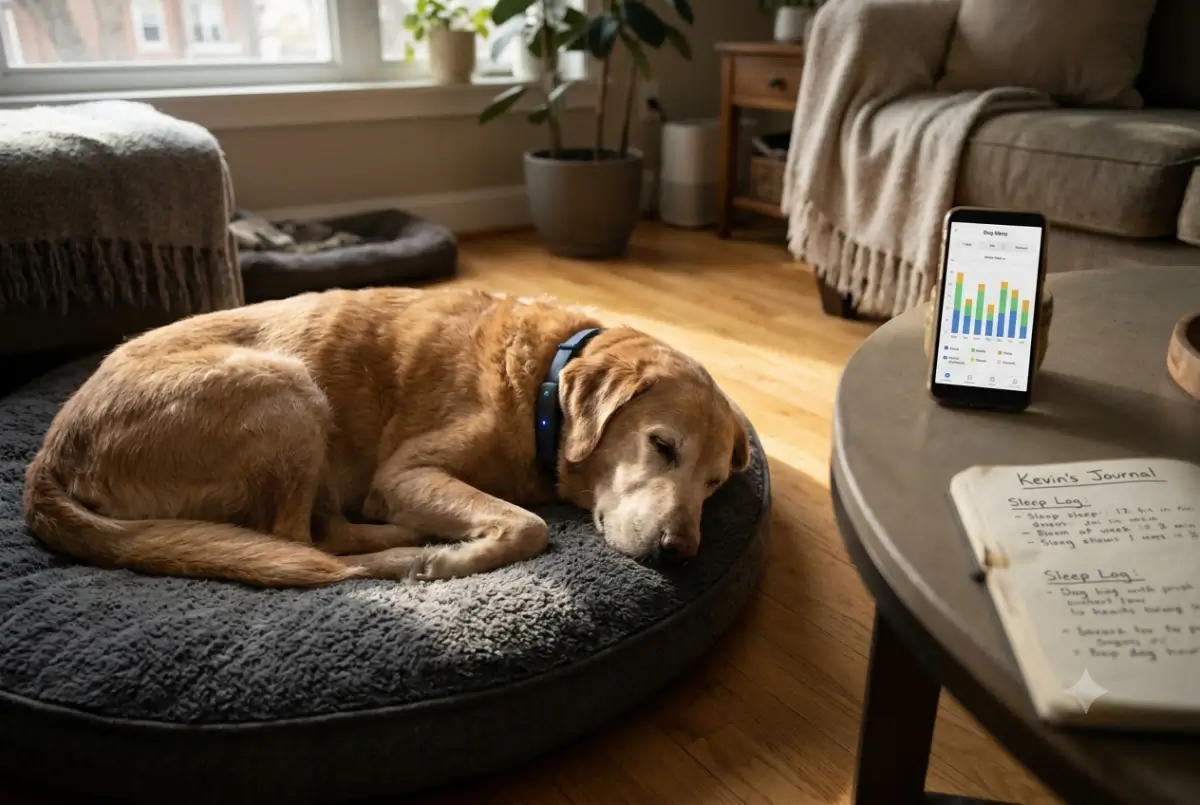
Tracking sleep and activity over time helped me see patterns that I would have missed. It gave me a clearer picture of Kevin’s health and daily routine.
What Changed With Age
Kevin still enjoys life at 15 years old. The biggest difference is how he spends his energy.
He sleeps longer. He takes shorter walks. He recovers more slowly after activity.
The changes were gradual. I did not notice most of them at first because I saw him every day.
How I Monitor Kevin Today
Today I pay attention to more than sleep. I watch activity levels, breathing patterns, appetite, and recovery after walks.
I also use a smart collar to help track long-term trends.
The goal is not to diagnose disease. The goal is to understand what is normal for Kevin.
| Metric | Why It Matters |
|---|---|
| Daily sleep | Shows recovery needs |
| Activity level | Reflects mobility and energy |
| Resting behavior | Can reveal discomfort |
| Night movement | May show pain or confusion |
| Breathing trends | Helps identify health changes |
The biggest lesson I learned is that small changes matter. Most age-related health problems begin quietly. A dog does not suddenly wake up old one morning. Aging happens little by little.
Tracking Kevin’s routine helped me notice patterns instead of guessing. It also reduced a lot of unnecessary worry. Some days he sleeps more. Some days he sleeps less. Looking at long-term trends helps me understand whether those changes are meaningful.
This is one reason I like using the KIYE Smart Collar. It helps me see how Kevin is doing between veterinary visits. I can review sleep patterns, activity levels, and behavior trends over time. The collar does not replace my veterinarian. It simply gives me more information about Kevin’s daily life.
For senior dogs, that extra visibility can be valuable because many health changes begin with small shifts in routine.
Conclusion
Senior dogs naturally sleep more as they age. Most extra sleep is normal. Pay attention to changes in appetite, mobility, energy, and behavior. Understanding your dog’s normal routine is one of the best ways to support a healthy and comfortable life during their senior years.