
As a dog owner, you may worry about your pet’s remaining time and how to support their health in later years.
Most dogs pass away between 10 and 13 years old. Average lifespan is approximately 10-12 years, but varies significantly by size, breed, and genetics. Smaller breeds generally live longer than larger and giant breeds.
Understanding average lifespan helps you prepare for your dog’s senior years and make informed care decisions.
Is 13 a good age for a dog to live to?
Many owners wonder whether their dog reaching 13 years old is a positive milestone or a sign of advanced age.
Yes, 13 is generally a good age for many dogs. For medium and large breeds, it exceeds the average lifespan. Small breeds often live longer, while giant breeds rarely reach this age.

Lifespan Variations by Dog Size
Dog lifespan varies greatly depending on body size. Smaller dogs age more slowly and tend to have longer lifespans, while larger dogs experience faster aging and shorter lifespans. This difference is linked to growth rate, genetics, and metabolic factors.
A 13-year-old dog’s status changes significantly by size category. For example, a giant breed at 13 is exceptional, while a small breed at the same age is still within a common senior range. Factors such as diet, weight management, exercise, and regular veterinary care can influence whether a dog reaches or surpasses typical lifespans for its category.
Here is a breakdown of 13 years old across dog sizes:
| Dog Size Category | Average Weight Range | Typical Lifespan Range | Status at 13 Years |
|---|---|---|---|
| Small Breeds | Under 9 kg | 12-16+ years | Normal senior age |
| Medium Breeds | 10 – 23 kg | 10-14 years | Above average |
| Large Breeds | 23 – 41 kg | 8-12 years | High age |
| Giant Breeds | Over 41 kg | 7-10 years | Very rare |
Regular health monitoring becomes more important after age 7-8 for larger dogs and after age 10 for smaller dogs. Common age-related issues include joint problems, dental disease, heart conditions, and reduced organ function. Early detection through veterinary check-ups can improve quality of life in senior years.
What are signs of a dog’s life ending?
Dog owners often feel uncertain when they notice changes in their senior pet and want to distinguish normal aging from end-of-life stages.
Common signs of a dog’s life ending include extreme lethargy, complete loss of appetite and thirst, incontinence, labored breathing, lowered body temperature, and minimal response to stimuli.

Identifying and Managing End-of-Life Symptoms
End-of-life signs reflect progressive system shutdown, but the exact presentation varies by underlying cause such as organ failure, cancer, or heart disease. It is important to differentiate between manageable chronic conditions and terminal decline.
Key observable changes include:
| Sign | Possible Internal Change | Practical Management |
|---|---|---|
| Extreme Lethargy | Reduced energy production | Provide soft bedding and easy access to water |
| Refusal of Food | Digestive slowdown | Offer water; do not force feeding |
| Incontinence | Muscle control loss | Use absorbent pads and maintain hygiene |
| Labored Breathing | Respiratory decline | Keep environment calm, quiet, and cool |
| Low Response | Overall system weakening | Monitor closely and consult vet |
When multiple signs appear together, consult a veterinarian promptly to discuss pain management, palliative care, or humane euthanasia options. Quality of life assessment tools can help owners make objective decisions. (Word count: 236)
Can dogs hear you?
Senior dogs sometimes stop responding to sounds, leaving owners unsure whether their pet can still hear them.
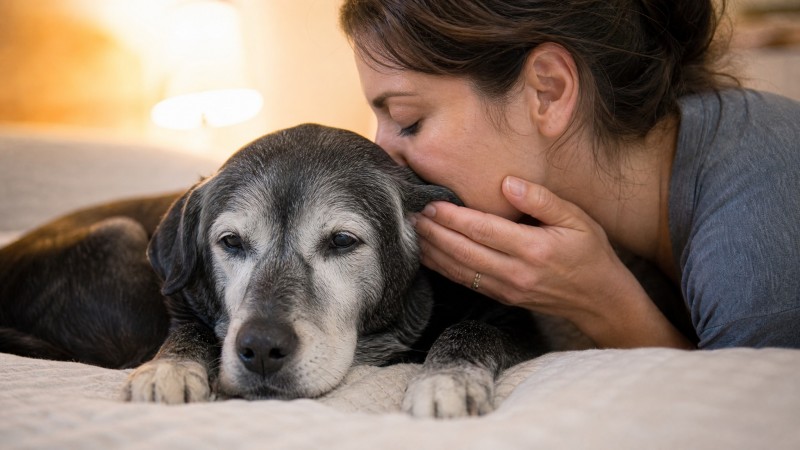
Dogs can usually still hear familiar voices even in advanced age or near the end of life. Hearing is often one of the last senses to decline significantly.
The Role of Sound in a Dog’s Final Days
Dogs experience sensory decline at different rates. Vision often decreases first due to cataracts or retinal changes, followed by reduced smell in some cases. Auditory function tends to persist longer in many individuals.
Even when a dog appears unresponsive, familiar soft voices may still provide comfort by reducing anxiety. Heart rate and breathing can sometimes show calming responses to known tones.
Communication Guide for Senior Dogs
| Sensory Status | What Remains | Recommended Approach |
|---|---|---|
| Reduced Vision | Hearing intact | Speak before touching |
| Reduced Hearing | Vision or smell | Use gentle hand signals and touch |
| Very Weak | Limited senses | Soft whispering and slow petting |
Maintaining a calm environment and consistent routines supports comfort during this stage. (Word count: 212)
Conclusion
Dog lifespans vary widely by size and breed. Regular veterinary care, healthy weight, and attentive monitoring help maximize quality years. Focus on comfort when decline becomes advanced.