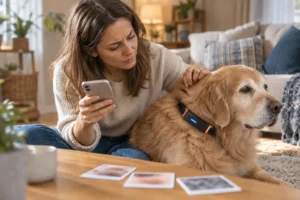
Old dogs have a way of quietly adapting to their changing bodies. They just start sleeping a little longer in the sun, or moving a bit slower in the mornings. Most parents look at this and think it is just standard aging.
One of the biggest silent health threats in senior dogs is chronic osteoarthritis. It builds up so slowly that dogs instinctively hide the discomfort to show strength, causing long-term sleep loss and physical decline before owners see any clear warning signs.
It hurts to watch our best friends slow down. We want to help, but we often miss the tiny shifts in their daily lives. Let us look at what is actually happening behind those loving eyes.
Why do old dogs hide their daily pain?
Your dog might still wag their tail and greet you at the door every evening. But that happy greeting can mask a lot of daily physical discomfort that goes unnoticed for months.
Old dogs hide their daily pain because of ancient survival instincts inherited from wild wolves. In nature, showing any physical weakness makes an animal a clear target for predators, forcing them to mask injuries.
The evolutionary conflict in modern homes
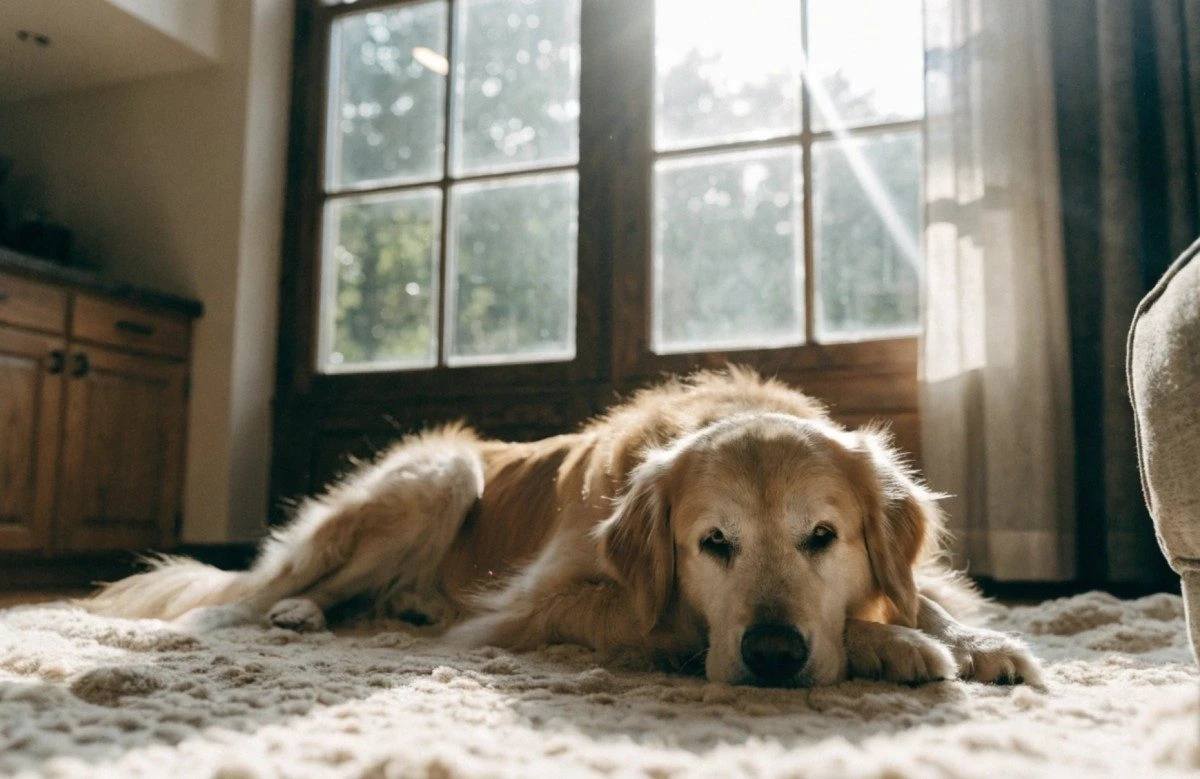
Think about the last time you grabbed the leash for a walk. Your dog probably jumped up, excited to go out. But you might notice them pause briefly at the front door, or take a few stiff steps before catching their rhythm. According to veterinary studies, dogs prioritize connection with their owners over their own comfort. They force their bodies to perform because they want to please us, not because they are pain-free.
This survival biology creates a tricky situation in a modern home. Many parents expect a dog to whine or cry when something hurts. But clinical data shows that dogs rarely vocalize from chronic aches like arthritis. They only yell from sudden injuries, like stepping on glass. The chart below breaks down how these old wild habits show up in our houses today.
| Wild Instinct | Daily Home Behavior | The Clinical Risk |
|---|---|---|
| Hiding Weakness | Masking joint stiffness during active daytime hours. | Owners assume the pet is fine until tissue damage is advanced. |
| Pack Compliance | Forcing the body to stand up and greet family members. | True exhaustion is buried under the desire to stay connected. |
| Silence Under Ache | Internalizing the dull, constant pain of joint inflammation. | Parents wait for vocal cues that do not happen with arthritis. |
What are the hidden signs of joint decline?
You might notice your dog hesitate for a second before jumping into the back of the car. That tiny moment of doubt is often the first real indicator of joint trouble.
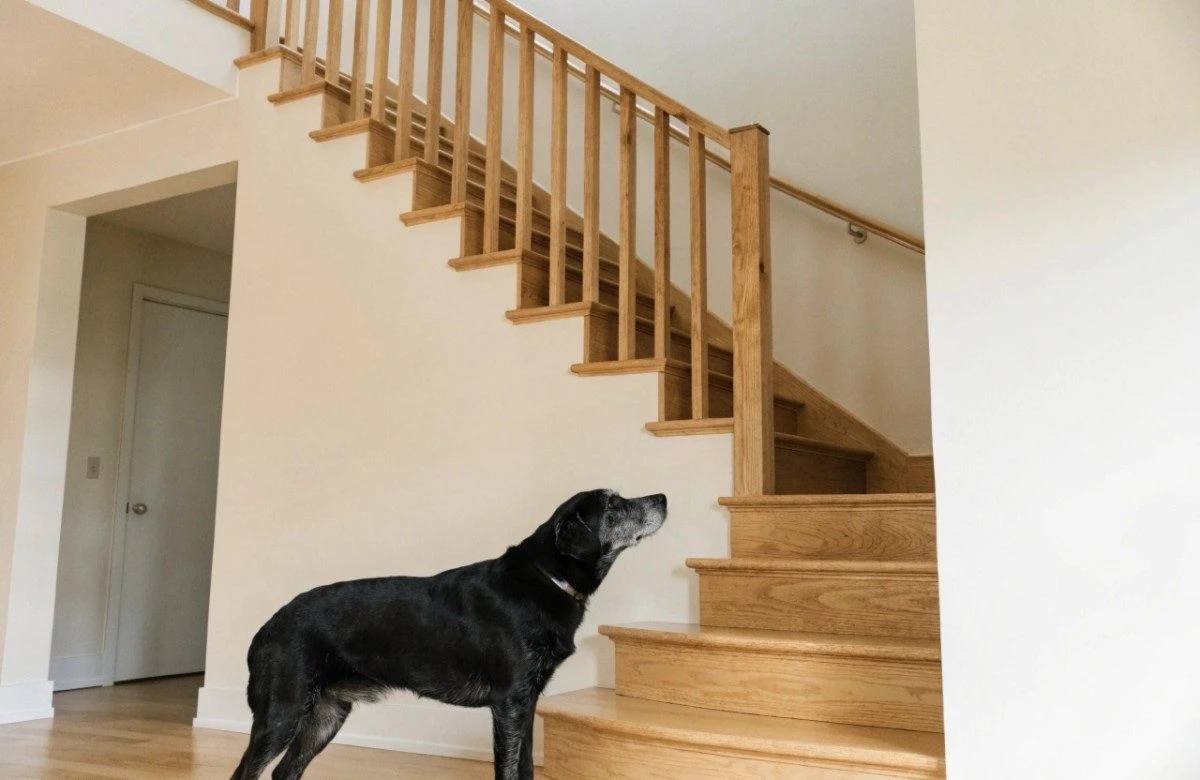
The hidden signs of joint decline include waking up during the night, pacing on hard floors, shifting weight to the front legs while standing, and taking shorter, choppy steps during daily walks.
The reality of midnight pacing
Let us look at what happens at two o’clock in the morning when the house is dark. You might hear your dog’s claws clicking on the hardwood floor as they wander around the bedroom. It is easy to assume they just want a drink of water. But veterinary sleep studies show that dogs with joint issues cannot stay comfortable in one position for long. The pressure on their hips creates a warm, aching sensation.
So they get up. They move to the cold bathroom tile to cool down the joint. They circle their bed a few times, sigh heavily, and try to settle back to sleep. This constant tossing and turning breaks up their rest. Just like in humans, chronic sleep loss can weaken their immune system and lower their daily energy levels over time.
| Night Behavior | Physical Cause | Long-term Impact |
|---|---|---|
| Floor Swapping | Joint pressure builds up warmth and ache during long rest. | Fragmented sleep that lowers daily energy and recovery. |
| Frequent Circling | Struggling to find a comfortable angle for sore muscles. | Added fatigue from fighting to get into a comfortable position. |
| Heavy Panting | Elevated stress levels caused by unmanaged physical discomfort. | Increased heart rate and extra strain on the nervous system. |
How does the KIYE longevity system work?
Human eyes are not great at measuring tiny structural changes that happen over six months. We see our pets every day, so we adjust to their new normal without realizing it.
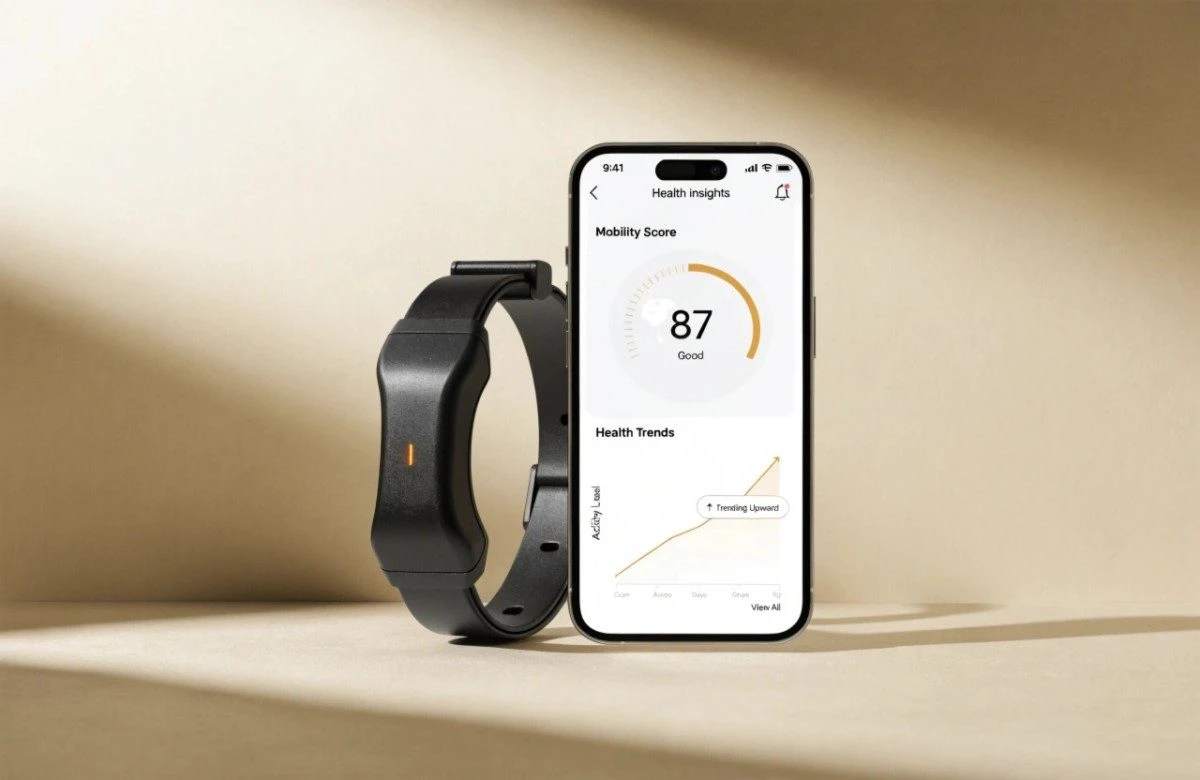
The KIYE longevity system uses the KIYE Collar Pro to monitor daily rest and activity trends, turning those numbers into a simple Mobility Score that helps identify physical changes early to support healthy aging.
Swapping guesswork for objective trends
The KIYE Collar Pro sits quietly on your dog’s neck and monitors their subtle movements throughout the day. It counts their sleep cycles and checks their resting respiratory rate when they are fully relaxed. This creates a baseline of what a normal, comfortable day looks like for your specific dog.
If their mobility score drops by ten percent over a two-week period, the Pet Health OS alerts you. You do not have to wait for a noticeable limp during your weekend walk. By tracking these patterns early, you can introduce targeted nutrition plans to improve mobility and support a better quality of life as they age.
| Traditional Care | KIYE Data Approach | Practical Benefit |
|---|---|---|
| Reacting to a heavy limp | Tracking small changes in daily stride activity over time. | Catching joint changes early before major lifestyle limitations. |
| Assuming rest is peaceful | Counting micro-awakenings and night-time restlessness. | Protecting the deep sleep cycles needed for cellular health. |
| Buying random retail pills | Matching nutrition protocols to real behavioral trends. | Eliminating ingredient waste and avoiding digestive overload. |
Better integration for senior care
The traditional pet supplement aisle can be incredibly confusing. Parents often end up with five different bottles of pills, oils, and powders on the counter. But the canine body works as an interconnected system. Joint discomfort causes stress, stress can weaken the gut barrier, and a sensitive gut cannot absorb the nutrients needed to support joint health.
The KIYE system looks at the whole animal. We combine essential nutrients into streamlined Longevity Protocols designed to work together safely. The data from the collar shows you exactly how your dog is responding. You can open the app and watch the trend lines stabilize, giving you confidence that you are providing the right support for their golden years.
Conclusion
Our dogs cannot tell us when their joints feel stiff or tired. By looking at real behavioral data and choosing evidence-based care, we can help them stay comfortable, active, and happy for years to come.