
You’re winding down on the couch, your dog is curled up next to you, and everything feels peaceful. Suddenly, you notice their chest is pumping like a tiny steam engine, or their belly is twitching rapidly. Your heart drops. Are they suffocating? Are they having a heart attack?
As a vet, I can tell you that this exact scenario is the cause of countless midnight panic texts from pet parents sending me frantic videos of their sleeping dogs.
The good news? A sudden spike in sleep-breathing is often just your dog chasing a dream-rabbit. The not-so-good news? If it’s a constant pattern, it can be an early whisper from their heart or lungs that something is wrong—especially in senior dogs.

Let’s break down how to read your dog’s breathing patterns so you can finally get some sleep, too.
The "Golden 30" Rule: What’s Normal?
During the day, a dog’s breathing rate fluctuates wildly. Barking at the mail carrier, a quick game of fetch, or just a slightly warm living room can send their respirations through the roof. That’s why daytime breathing is notoriously unreliable for health checks.
The real truth teller is their Sleeping Respiratory Rate (SRR).
The Veterinary Gold Standard: > When a healthy dog is fully, deeply asleep, their breathing rate should stay under 30 breaths per minute.
How to Measure It at Home
Watch the rise and fall: One full inhalation and exhalation (up and down of the chest) counts as one breath.
Do the 30-second shortcut: Don’t stare at your watch for a full minute. Count the breaths for 30 seconds, then multiply that number by two.
Context is everything: If your dog’s breathing spikes for a few minutes while their eyelids twitch, their paws paddle, or they let out muffled whimpers, relax. They are just in REM (dream) sleep. Once the dream ends, their breathing should settle right back down.
However, if your dog is consistently breathing at 35, 40, or more breaths per minute across multiple nights while completely dead to the world, their body is working too hard.
The Senior Dog Shift: Why Nighttime Matters for Aging Pets

If you are blessed with an older dog, you need to pay extra close attention to their midnight breathing. Too often, pet parents chalk up heavy nighttime breathing to "just getting old."
In reality, a high senior SRR is usually triggered by a few specific culprits:
Hidden Arthritis Pain: Lying in one position for hours puts immense pressure on stiff, aging joints. When dogs are in chronic pain, their bodies release stress hormones, which naturally elevates their heart and breathing rates. If you notice your senior dog constantly shifting positions or panting softly in a cool room, pain is highly likely.
Early-Stage Congestive Heart Failure: This is the big one we worry about. When a dog’s heart begins to weaken, fluid slowly starts to collect in the lungs. During the day, gravity helps keep things manageable. But the moment the dog lies flat to sleep, that fluid settles and compresses the airways. To get enough oxygen, the dog has to breathe much faster.
Canine Cognitive Dysfunction (CCD): Just like humans, dogs can develop dementia. It often manifests as sundowning—heightened anxiety, confusion, and restlessness during the dark, quiet hours of the night, leading to rapid, stressed breathing.
Red Alert: When to Head to the ER (Do Not Wait for Morning)
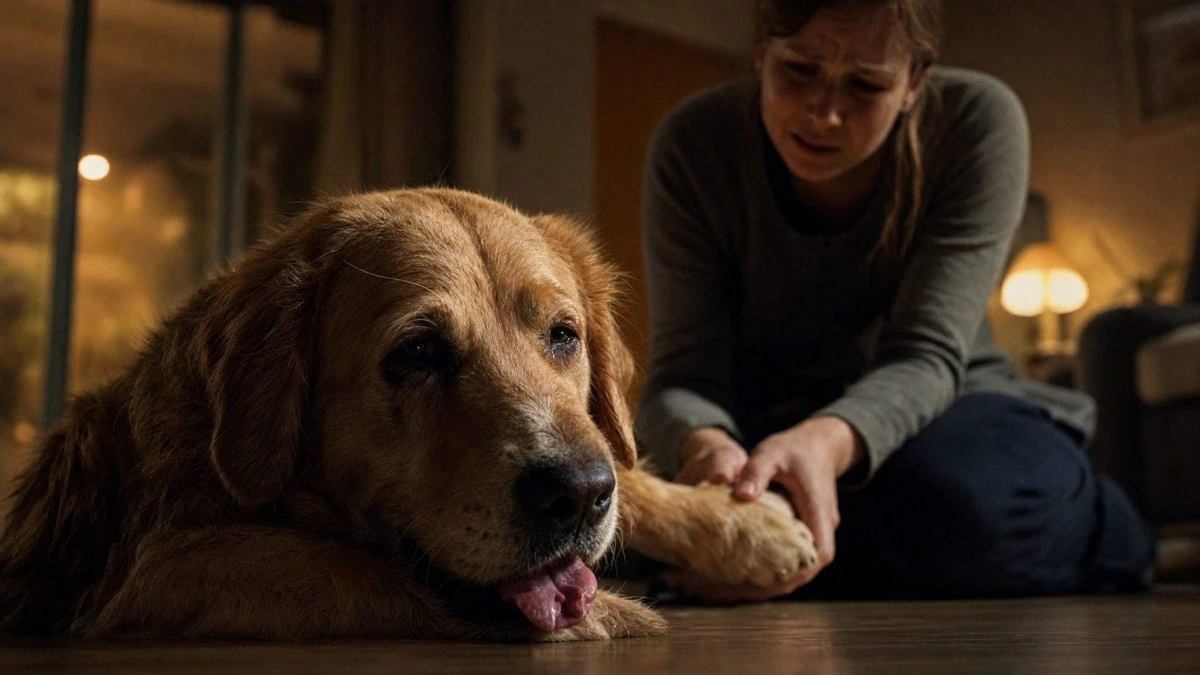
While a slow increase in breathing over weeks requires a routine vet appointment, certain signs mean you need to load your dog into the car and head straight to the nearest 24/7 emergency clinic.
Go to the ER immediately if you see:
An SRR over 40 breaths per minute combined with "abdominal effort" (their stomach is visibly straining or pumping to push air out).
Open-mouth panting while trying to sleep. Dogs should always breathe through their nose when resting.
Pale, blue, or gray gums. Lift their lip; if their gums aren’t a healthy, bubblegum pink, they are dangerously short on oxygen.
Orthopnea (The "Tripod" Stance): If your dog refuses to lie down and instead sits up with their neck stretched straight out and front legs spread wide, they are physically fighting to keep their airway open. Lying down feels like drowning to them.
A harsh, honking, or wet nighttime cough that sounds like they are trying to clear a bone from their throat.
The Smart Tech Solution: Catching Trends Before Crises
Let’s be honest: no pet parent has the time or emotional bandwidth to set a 3:00 AM alarm every night just to count chest rises. Furthermore, the earliest stages of heart and lung issues tend to happen in the dead of night when you are fast asleep.

This is where the pet health space has truly evolved.
We now have access to smart wearable pet technology—validated smart collars that act like a 24/7 virtual night nurse for your dog. Instead of guessing, these devices continuously track your dog’s resting pulse and baseline SRR while you sleep.
The real magic here isn’t just catching an emergency; it’s trend tracking. If your dog’s baseline deep-sleep breathing slowly climbs from a healthy 18 breaths per minute up to 28 over the course of two weeks, the connected app will flag it.
Catching that subtle trend shift gives you a massive head start. It allows you to schedule a peaceful, proactive vet visit for an echocardiogram or X-ray weeks before a full-blown, terrifying cardiovascular crisis ever happens.
Final Thoughts
A dog’s sleeping breathing rate is one of the most powerful, non-invasive health metrics we have. Take 30 seconds tonight while your pup is snoring away to find their baseline. Knowing what is normal for your dog is the ultimate peace of mind.
Disclaimer: This article is for informational purposes only and should not replace professional veterinary advice. If your dog is showing signs of respiratory distress, contact a veterinarian immediately.