A cluster of 2026 contamination warnings and recalls is doing what no single brand pitch could: it is turning supplier quality from a differentiator into a stocking gate. For distributors managing senior pet care distribution, the question is no longer “does this brand claim to be safe” but “can this supplier prove its supply chain before it reaches my shelf.”
The 2026 wake-up call distributors did not schedule
Across a five-week window in late 2026, regulators and independent testers issued a steady run of pet-health safety alerts. A United States FDA warning linked a contaminated veterinary product to serious infections in nearly 100 animals, with at least 20 euthanized (Animal Health News, October 7, 2026). An independent 2026 test of 100 cat foods found detectable heavy metals in 99% of samples, with dry formats showing roughly three times the lead of wet formats (GlobalPetIndex, October 8, 2026).
None of these were niche incidents. They touched veterinary products, finished foods, and supplements moving through mainstream channels. For a distributor, the cost is not only the returned SKU. It is the trust gap with the retailer and the pet owner who assumed the category was self-policing.
What changed: quality moved from differentiator to gate
For years, a strong quality story was a nice-to-have that sat at the bottom of a supplier’s pitch deck. Buyers compared features, margins, and packaging first. The 2026 alert cluster changed the order of operations. Quality documentation is now evaluated before the assortment conversation, not after it.
This is not a moral shift. It is a risk-shift. United States veterinary service prices rose 7.1% in 2025, far above general inflation, so pet owners are already sensitive to unexpected costs (Packaged Facts, 2026). When a contaminated SKU reaches a retailer, the distributor absorbs the recall logistics, the communication burden, and the relationship damage. A supplier’s quality protocol is therefore a distributor’s risk-control instrument, not a marketing asset.
The gate is the new differentiator
By 2027, a distributor’s risk review will weigh a supplier’s published quality protocol more heavily than its feature list. Features sell the first order; an auditable supply chain protects every reorder. A brand that cannot show its protocol will lose shelf space to one that can, regardless of spec sheet.
Why the senior aisle feels this first
The senior segment is where quality enforcement lands hardest, and that is exactly why senior pet care distribution should lead the gate rather than follow it. In 2025, 52% of dog-owning households and 50% of cat-owning households owned a pet aged 7 or older, a share stable since 2019 (Packaged Facts, 2026 US Pet Market Outlook). These are the highest-trust, highest-value buyers in the store.
A quality failure in a senior formula, or a misread wellness signal, does not just cost a sale. It erodes the one relationship the entire category depends on: the owner who trusts the shelf to protect an aging animal. Distributors who harden the senior aisle first convert a liability into a reason for retailers to consolidate spend with them.
Two buyer postures, one risk profile
The practical difference shows up in how buying teams operate. The posture below reflects how distributors rearranged their supplier requirements after the 2026 alerts.
| Dimension | Quality as differentiator | Quality as gate |
|---|---|---|
| When reviewed | After the assortment is set | Before any SKU is approved |
| What is requested | Marketing claims | Batch records, test reports |
| Who sees it | Category manager | Compliance and buying together |
| Cost if missing | Lost narrative | Blocked listing, recall exposure |
What a gate-ready supplier actually shows
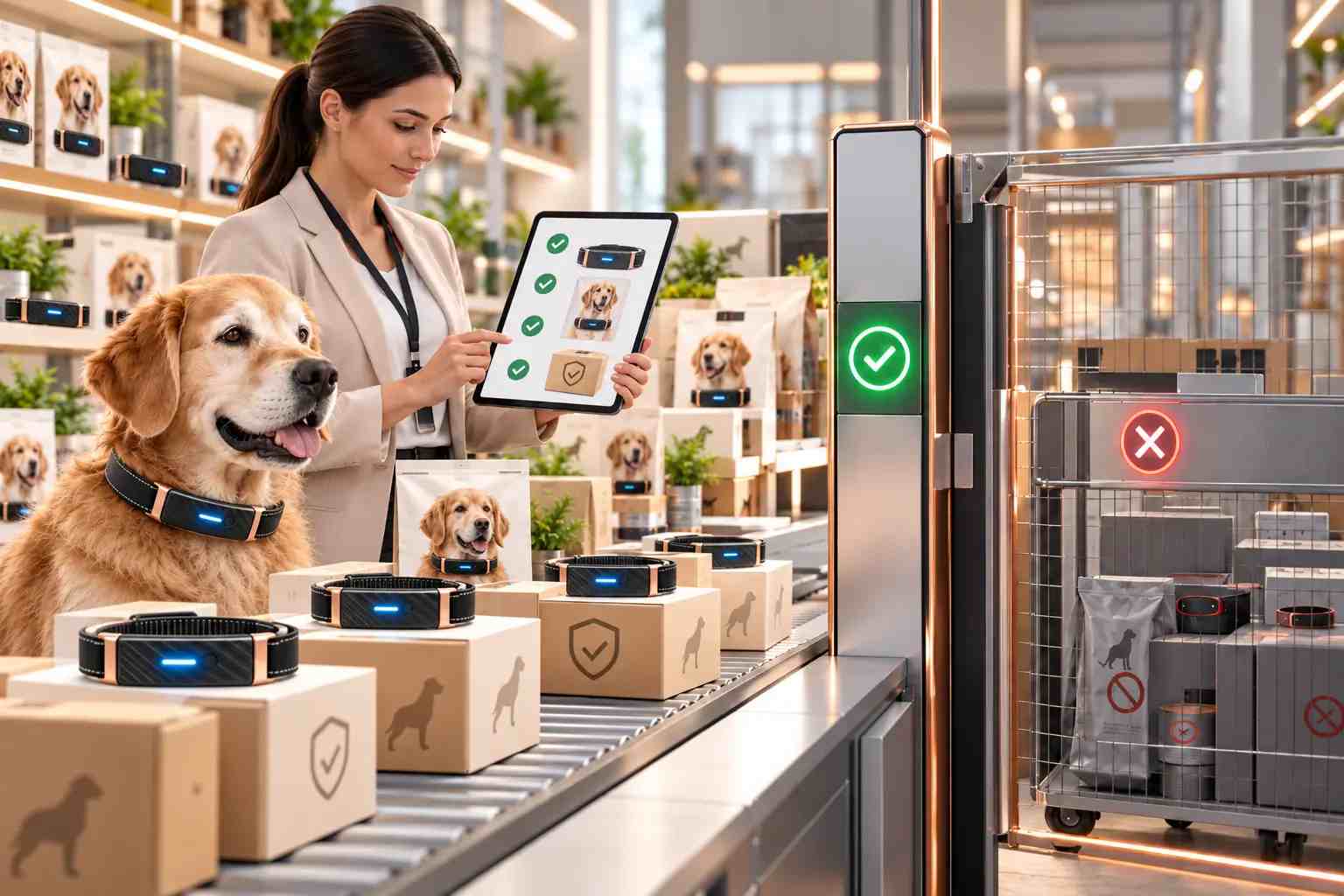
A published quality protocol is not a certificate framed on a wall. For a distributor, it means four things are available on request and auditable. Batch-level traceability, so a single lot can be isolated without pulling the whole range. Third-party testing, with reports that name the contaminant screen rather than a pass-fail stamp. A written recall and communication plan, so the distributor is never the last to know. And a supply-chain map showing where ingredients and finished goods are handled.
KIYE treats these as front-of-house assets rather than back-office paperwork. The supplier transparency page states the quality posture up front, because a distributor evaluating the range should not have to file a request to see it. That discipline is what lets senior pet products wholesale buyers run their own risk review before the first PO.
The closed loop makes quality visible, not just claimed
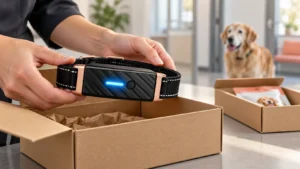
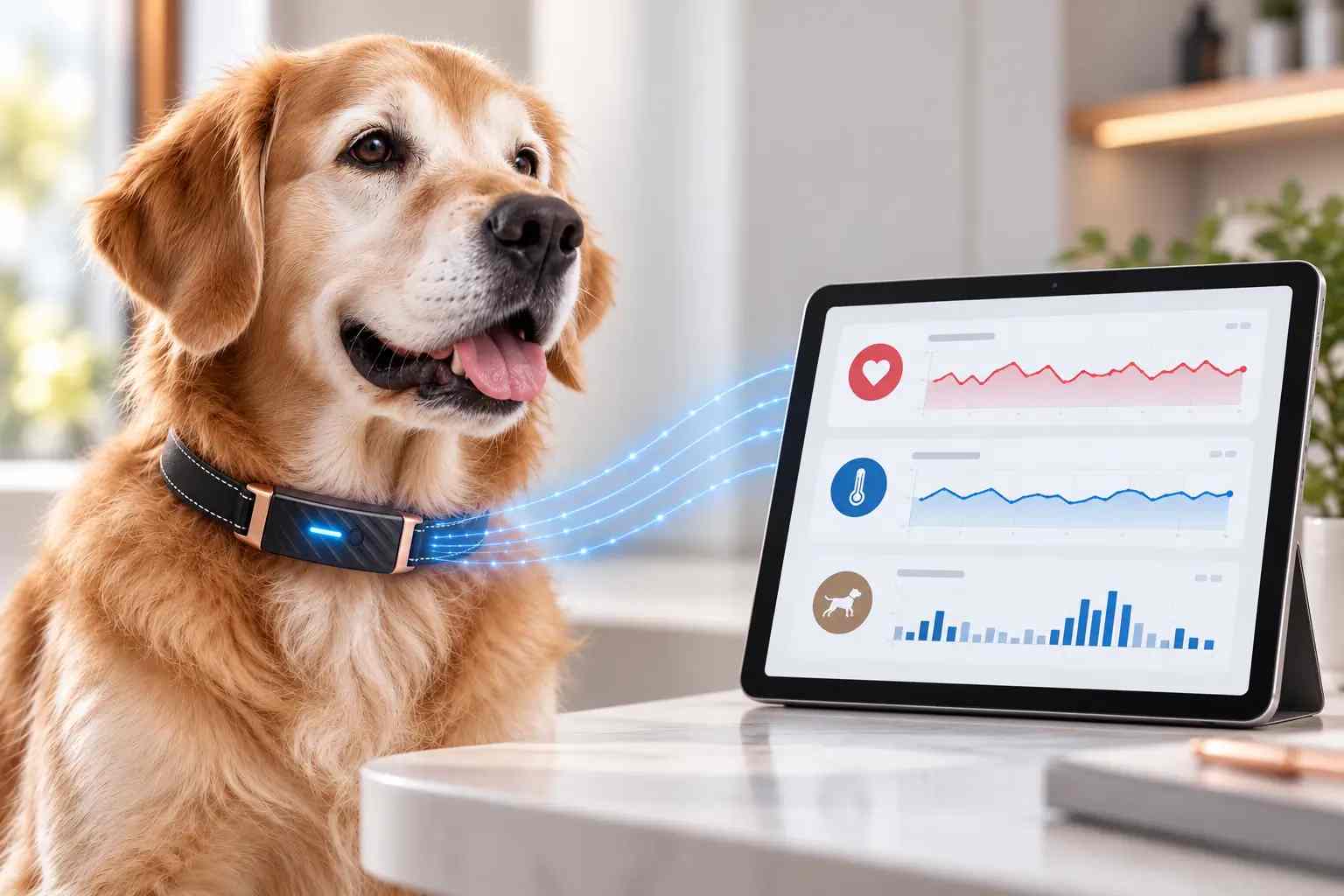
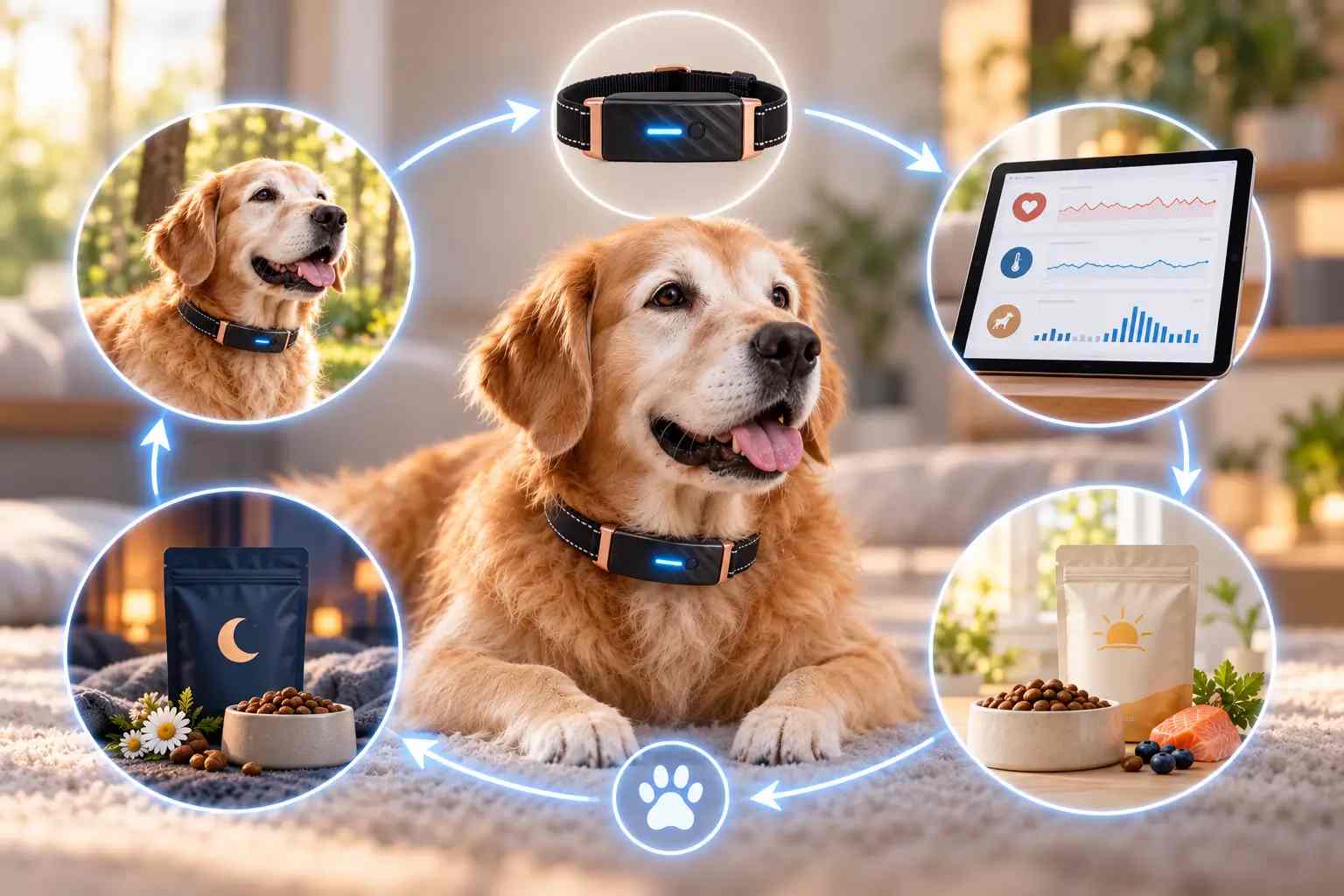
Quality is easier to defend when the product generates its own evidence. The Smart Health Collar collects continuous wellness data across activity, rest, and daily patterns for both dogs and cats, turning vague “my pet seems off” into measurable trend lines (Sidewalk Dog, 2026; JFMS via Vet Candy, Sep 10, 2026). As a pet health collar supplier, the priority is data the owner and clinic can actually read, not a feature checklist.
That data feeds the AI Health Platform, which converts long-term signals into structured health reports a veterinarian can review. Layered with Senior Pet Nutrition — AM and PM soft chews built around the daily needs of senior dogs — the system closes a loop: monitor, analyze, support, track, improve.
For a distributor, the value is not only the hardware margin. It is a range where the wellness claim is backed by the product’s own data, and where the supplier’s quality story is published before the first conversation. In senior pet care distribution, that combination is still unusual on the shelf.
The 2026 alerts did not create the need for supplier transparency. They made it impossible to ignore. Distributors who build quality into the gate now will spend less of 2027 managing recalls and more time growing the categories that compound, like senior dog nutrition and connected monitoring built for an aging pet population (Packaged Facts, 2026 US Pet Market Outlook).
Sources
- Animal Health News, “FDA warns supplier after contaminated veterinary product linked to serious infections,” October 7, 2026.
- GlobalPetIndex, “Independent test finds heavy metals across tested pet foods,” October 8, 2026.
- Packaged Facts, “2026 US Pet Market Outlook” (52% of dog-owning households have a pet aged 7+; vet prices +7.1% in 2025).
- Sidewalk Dog, “Pet wearable market and AI-collar accuracy study,” 2026.
- JFMS via Vet Candy, “Home versus clinic physiological stress in cats,” September 10, 2026.
Make quality part of your gate, not your gamble
Review KIYE’s published supply-chain and quality approach, request batch-traceability and testing documentation, or talk through channel fit for your market. Write to info@kiyepet.com to start the conversation.