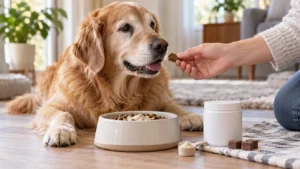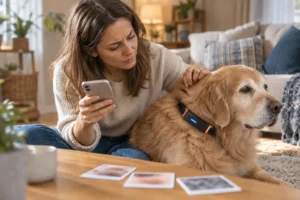
Watching your loyal companion turn away from their food bowl is heartbreaking. This sudden loss of appetite causes stress and fear for any pet owner who wants their friend to stay healthy.
To help an elderly dog eat, first identify underlying health issues with a vet. You can stimulate appetite by softening dry food with warm, low-sodium broth or adding cooked chicken. Ensure a quiet feeding environment and seek medical help if they refuse food for more than 24 hours.
It is hard to stay calm when your dog stops eating. However, understanding the specific reasons behind this change can help you take the right steps to fix it.
Why Older Dogs Refuse Food?
It is painful to see your senior dog lose interest in their favorite meals. You worry about their strength fading and feel helpless as they get thinner and weaker every day.
Older dogs refuse food due to dental pain, decreased sense of smell, or underlying metabolic issues like kidney disease. Cognitive dysfunction or simple boredom with their diet can also play a role in their lack of interest.
I have learned that we must look at this problem from several angles. An older dog is not just being "picky." Their body is changing in ways that make eating difficult or even painful. We need to break down these causes into physical, sensory, and environmental factors to find a real solution.
Physical and Health Barriers
The most common reason is dental disease. If a dog has cracked teeth or gum infections, chewing hard kibble feels like needles in their mouth. Beyond the mouth, internal organs like the kidneys or liver might be struggling. When these organs don’t work well, toxins build up in the blood and make the dog feel very nauseous.
Sensory and Cognitive Changes
Just like humans, a dog’s senses dull with age. If they cannot smell the meat in their bowl, the brain does not trigger the "hunger" signal. Furthermore, "doggy dementia" (CCD) can make a dog forget their routine or feel anxious about the act of eating itself.
| Category | Potential Cause | Signs to Watch For |
|---|---|---|
| Oral Health | Periodontal disease or broken teeth | Drooling, dropping food, or bad breath |
| Systemic | Kidney or Liver issues | Increased thirst, lethargy, or vomiting |
| Sensory | Loss of smell or taste | Sniffing food but walking away |
| Emotional | Anxiety or Cognitive Decline | Pacing, staring into space, or fear of the bowl |
When I deal with this, I always start by checking the mouth. If the teeth look okay, I move to their environment. Is the floor too slippery for them to stand comfortably? Are they distracted by loud noises? By isolating these variables, you can create a plan that addresses the specific barrier your dog is facing. Never assume it is just "old age" because many of these issues are treatable with the right care.
How long can my elderly dog go without eating?
Waiting for your dog to get hungry feels like a dangerous game. You don’t want to rush to the vet too early, but waiting too long could lead to irreversible organ damage.
An elderly dog should not go more than 24 hours without eating. Because senior dogs have slower metabolisms and less physical reserve, prolonged fasting can quickly lead to dehydration, weakness, and serious conditions like hepatic lipidosis.
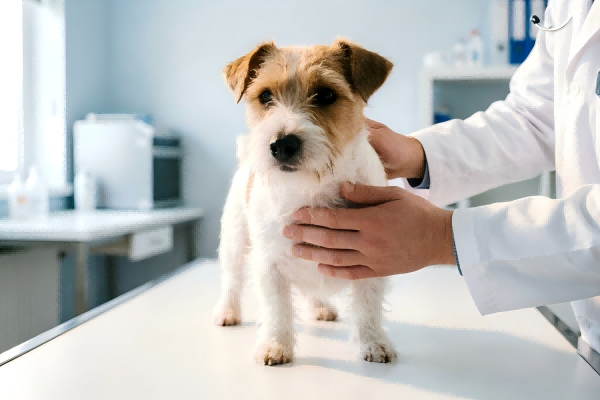
Time is a critical factor when dealing with senior pets. Their bodies do not bounce back as fast as a puppy’s body does. We need to understand why the 24-hour mark is so important for their survival.
The Risks of Prolonged Fasting
When an old dog stops taking in calories, their body starts to break down its own fat and muscle stores very quickly. This process puts a huge strain on the liver. In some cases, the liver gets overwhelmed by fat processing, leading to liver failure. Additionally, if they are not eating, they are likely not drinking enough water either. Dehydration happens fast in older dogs and can cause the kidneys to shut down.
When to Call the Professional
I suggest keeping a strict log of when they last ate a full meal. If they skip one meal, keep a close eye on them. If they skip two meals or hit the 24-hour mark, it is time for a professional opinion. A vet can provide fluids or appetite stimulants that you simply cannot give at home.
| Duration of Fasting | Risk Level | Recommended Action |
|---|---|---|
| 12 Hours | Low | Try adding warm broth or wet food to the bowl. |
| 18 Hours | Moderate | Check for lethargy or vomiting; call the vet for advice. |
| 24 Hours | High | Schedule an urgent vet appointment for blood work. |
| 48+ Hours | Critical | Emergency care is required to prevent organ failure. |
We must be proactive because an older dog’s health can spiral downward in a single afternoon. If your dog also shows signs like shaking, hiding, or unusual fatigue, do not even wait for the 24-hour mark. It is always better to have a "false alarm" at the vet than to wait until your dog is too weak to stand. My priority is always to maintain their strength so their immune system can fight whatever is making them lose their appetite in the first place.
Conclusion
Identify the cause of appetite loss immediately and consult your vet. Use warm toppers or a quiet space to encourage eating, and never wait longer than 24 hours for help.“`