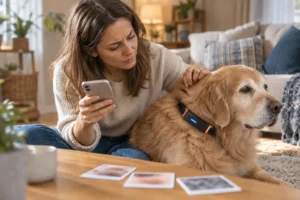
Seeing your old dog with teary eyes breaks your heart. But don’t comfort them just yet—it’s likely a medical issue, not sadness.
A senior dog constantly "crying" is almost never emotional. It’s usually due to eye diseases (like dry eye or cataracts), blocked tear ducts, or painful whining from arthritis or cognitive decline. A veterinary exam is required for proper diagnosis.
So, when you see wetness or tear stains around your older dog’s eyes, in the vast majority of cases, it points to an eye health issue, not an emotional meltdown.
Let’s break down the most common causes, from physical problems to behavioral changes.
1. Eye Diseases or Discomfort (Most Common Cause)
As dogs age, they become prone to various eye conditions. These diseases either stimulate the tear glands to overproduce tears or prevent tears from draining properly.
Dry Eye (Keratoconjunctivitis Sicca – KCS): Ironically, dry eye causes irritation on the eye’s surface, leading to a reflex overproduction of tears, often thick and yellowish.
Cataracts or Glaucoma: Very common in senior dogs. Glaucoma, in particular, causes increased eye pressure and pain, leading to tearing and squinting.
Conjunctivitis or Corneal Ulcers: Caused by infection, injury, or rolled-in eyelids. Symptoms include redness, swelling, pain, and excessive tearing.
Ingrown Eyelashes (Distichiasis or Entropion): Lashes rub against the cornea, causing constant irritation and tearing.
How to tell? Look for redness, cloudiness, lots of discharge, squinting, or light sensitivity. If you see these signs, your dog is "crying" because their eyes actually hurt or feel uncomfortable.
2. Blocked Tear Ducts (Nasolacrimal Duct Obstruction)
A senior dog’s tear ducts can become narrowed or blocked due to chronic inflammation or age-related atrophy. When tears cannot drain normally through the nose, they overflow from the corners of the eyes, resulting in constant wetness and staining. This condition is not usually painful, but it can cause skin irritation around the eyes.
3. Chronic Pain or Systemic Illness
Chronic conditions common in older dogs, such as arthritis, dental disease, or tumors, generally don’t directly cause tear production. However, constant pain can change a dog’s overall behavior, which owners might interpret as crying:
Whimpering or whining (this is the sound of crying): Due to pain or anxiety.
Tense facial expression: Can look like sadness.
In severe pain, a few dogs may show behaviors like excessive licking or restlessness, but tears are still primarily linked to eye issues.
4. Cognitive Dysfunction (Dog Alzheimer’s)
Senior dogs can develop a condition similar to Alzheimer’s in humans. Symptoms include disorientation, reversed sleep-wake cycles, and unexplained whining or moaning (making a "woe-is-me" sound). Owners often describe this as "my dog is crying." In this case, it’s a vocalization of anxiety or confusion, not tears. A dog with cognitive decline may also forget house training and become more anxious, leading to more frequent whining.
5. Allergies or Environmental Irritants
An older dog’s immune system can change, making them allergic to dust mites, pollen, perfumes, or certain foods. Allergies can cause itchy, watery eyes, often accompanied by sneezing or itchy skin. This is essentially "crying" due to irritation, not emotion.
What Can You Do As An Owner?
Important Reminder: Do NOT use human eye drops on your dog. Many contain ingredients (like vasoconstrictors) that are toxic to dogs.
1. Observe Carefully:
Is the tearing from one eye or both?
What color is the discharge?
Are the eyes red? Is your dog squinting?
Is your dog rubbing their eyes/face with a paw or on the carpet?
Are they making whining sounds? How are their appetite and energy levels?
2. See a Veterinarian Promptly:
This is the most critical step. Take your dog to a vet for an ophthalmic exam (which may include a tear test, eye pressure measurement, and corneal staining). Delaying treatment for senior dog eye problems can lead to blindness. Don’t assume it’s "just old age."
3. Daily Home Care (under vet guidance):
Gently clean the eye area using a pet-safe eyewash or saline solution on a cotton ball, wiping from the inner corner outward.
Check for any inverted eyelashes rubbing against the eyeball.
If eye problems are ruled out and your dog frequently whines, discuss pain management (for arthritis) or medication for cognitive dysfunction with your vet.
4. Environmental Adjustments:
For cognitive issues: Keep routines consistent, minimize changes, and consider using calming pheromone diffusers.
For arthritis pain: Provide soft orthopedic beds, non-slip floor mats, and ramps to reduce stair climbing.
Conclusion
In the vast majority of cases, the "tear stains" or wetness you see are caused by overflowing tears due to an eye disease (like dry eye, cataracts, or blocked tear ducts) – not emotional crying.
If you hear whimpering or whining sounds similar to human crying, that is more likely a sign of chronic pain or anxiety from cognitive decline.
The safest and most responsible thing you can do for your aging companion is to schedule a veterinary eye exam, especially if the tearing is accompanied by squinting, redness, or increased discharge.
Don’t ignore it because "it’s just old age." Many of these conditions are treatable or manageable, allowing your senior dog to live out their golden years more comfortably and happily.
Disclaimer: This content is for informational purposes only and does not constitute professional veterinary medical advice. Always consult a qualified veterinarian for any health concerns regarding your pet.